

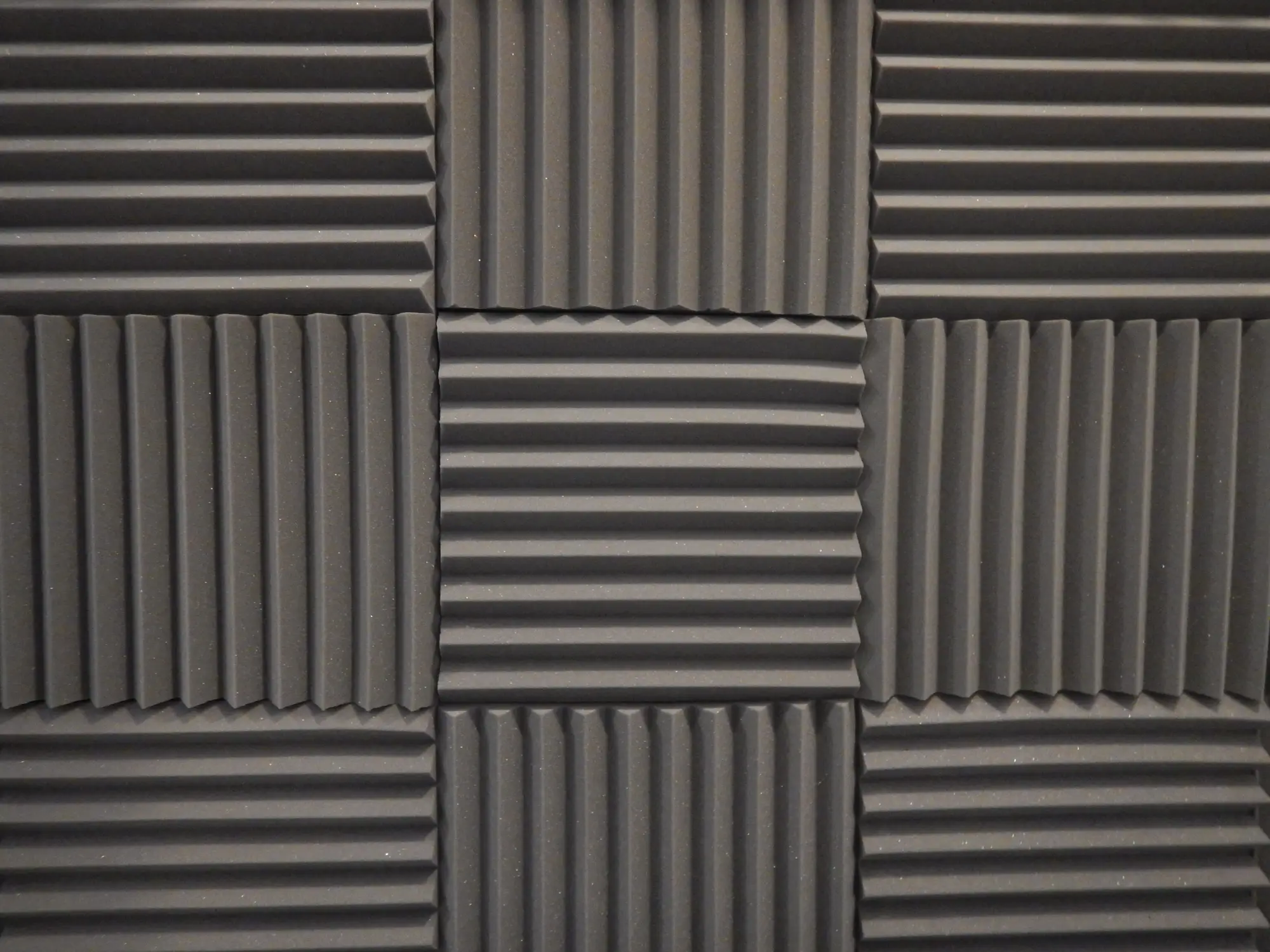
The Role of Superior Acoustics in Modern Commercial and Clinical Spaces
Introduction
In the ever-evolving world of architecture and interior design, one aspect remains both essential and underestimated: acoustics. Whether you are designing a bustling office complex, a high-end restaurant, or a cutting-edge healthcare facility, sound management is a critical factor that shapes occupant experience, productivity, and overall well-being. Despite its importance, acoustics often gets overshadowed by more visually prominent design features—such as color palettes, furniture choices, and layout configurations.
However, the modern approach to building design has begun to recognize acoustics as an integral part of creating functional and sustainable spaces. Falkbuilt, a leader in digital component construction, exemplifies how innovative methods can address complex acoustic challenges in both commercial and clinical environments. By using precision engineering and modular prefabrication, Falkbuilt tackles noise pollution, enhances speech privacy, and fosters comfort for building occupants—all while reducing construction timelines and environmental impact.
This comprehensive blog post delves into the role of superior acoustics in modern commercial and clinical spaces. We will explore the science of sound, discuss the detrimental effects of poor acoustics, highlight key acoustic parameters, and examine practical solutions—particularly those advanced by Falkbuilt’s digital component construction approach. From STC ratings and NRC values to real-world case studies, this article offers an in-depth perspective on why sound control is not merely an optional design consideration, but rather a fundamental requirement for functional and comfortable interiors.
1. Why Acoustics Matter More Than Ever
1.1 The Growing Importance of Indoor Sound Quality
In a world that increasingly values health, productivity, and sustainability, indoor sound quality has become more critical than ever before. Employees, customers, patients, and visitors all have heightened expectations for the spaces they occupy—expectations that include a quiet, comfortable environment free from the distractions of echo and noise bleed.
- Commercial offices must balance open collaboration with quiet zones for concentration.
- Retail stores and restaurants strive to create welcoming ambiances that encourage customers to stay longer and return.
- Healthcare facilities prioritize patient recovery and staff efficiency, both of which are influenced by the surrounding noise levels.
1.2 Acoustic Challenges in Modern Designs
While open-plan layouts and multi-purpose spaces have gained popularity, they often introduce acoustic challenges. Large, open areas with hard surfaces (like glass and metal) can reflect sound, leading to echo and reverberation. Moreover, the integration of HVAC systems and technological equipment can add mechanical noise, further complicating the acoustic environment.
Simultaneously, the global push for sustainability and energy efficiency has led to better-insulated buildings. While beneficial for thermal performance, these designs can inadvertently trap noise indoors if not paired with thoughtful acoustic treatments. As a result, many modern buildings face a paradox: they are energy-efficient but noise-heavy.
1.3 The Falkbuilt Perspective
Recognizing the growing acoustic challenges, Falkbuilt has devoted extensive research and development to sound management in the context of digital component construction. By combining precision engineering with modular prefabrication, Falkbuilt’s approach ensures that every interior element—from wall partitions to glass fronts—is designed to optimize speech privacy, noise isolation, and reverberation control. This systematic method not only solves common acoustic problems but also aligns with sustainable building practices by minimizing material waste and accelerating project timelines.
2. The Science of Sound: Key Acoustic Parameters
To appreciate how superior acoustics can transform a space, it is crucial to understand the basic parameters that define indoor sound quality. Three key metrics often come into play:
- Sound Transmission Class (STC)
- Noise Reduction Coefficient (NRC)
- Reverberation Time (RT)
2.1 Sound Transmission Class (STC)
STC measures how well a building element—such as a wall, door, or window—blocks sound transmission. A higher STC rating indicates better sound isolation. For instance, a standard interior drywall partition may have an STC rating around 35, while high-performance partitions can achieve STC ratings of 50 or more.
- Privacy in offices and healthcare facilities
- Reduced noise bleed between adjacent rooms
- Comfort and confidentiality in shared or sensitive environments
2.2 Noise Reduction Coefficient (NRC)
NRC quantifies how effectively a material absorbs sound, preventing excessive echo and reverberation. NRC values range from 0 (reflects all sound) to 1 (absorbs all sound). Acoustic panels, ceiling tiles, and carpets often have higher NRC values, making them suitable for spaces where controlling reverberation is a priority.
- Better speech intelligibility in classrooms, meeting rooms, or patient rooms
- Less echo, resulting in calmer, more pleasant interiors
- Enhanced occupant well-being by reducing sound reflections
2.3 Reverberation Time (RT)
Reverberation Time measures how long it takes for sound to decay by 60 decibels in a room. The ideal RT varies based on room function. For instance, a concert hall may have a longer RT for richer musical quality, while a hospital ward requires a shorter RT to minimize noise.
- Controlling echo in large, open spaces
- Ensuring speech clarity in offices or healthcare consultations
- Fostering calm atmospheres in lobbies or reception areas
3. Commercial Spaces: The Acoustic Imperatives
3.1 The Open-Plan Office Dilemma
Open-plan offices have become synonymous with modern workplace design. Their collaborative spirit and space efficiency often overshadow the acoustic problems they introduce:
- Noise Distractions: With minimal partitions, employees are exposed to conversations, phone calls, and office equipment sounds.
- Decreased Productivity: Studies suggest that noise pollution can reduce cognitive function and increase stress.
- Speech Privacy: Sensitive discussions are easily overheard in open environments.
3.1.1 The Falkbuilt Solution
Falkbuilt addresses these challenges by providing modular walls and custom acoustic partitions that maintain the flexibility of an open-plan layout while offering speech privacy. Their solutions often incorporate STC-rated panels that isolate sound between different zones without sacrificing the transparency or collaborative feel of modern offices.
3.2 Retail and Hospitality: Crafting the Customer Experience
In retail stores, restaurants, and hotels, acoustics can make or break the customer experience. Excessive noise or echo can create a chaotic atmosphere, discouraging visitors from staying longer or returning in the future.
- Restaurants: Diners may struggle to converse if background noise is too high, diminishing enjoyment.
- Retail Stores: Loud or poorly controlled music can overwhelm shoppers, leading to negative impressions.
- Hotels: Common areas and hallways need to remain serene, allowing guests to rest and enjoy amenities without disruptive noise.
3.2.1 Case Study: Hyatt Centric Montreal
A prime example is the Hyatt Centric Montreal project, where Falkbuilt leveraged pre-dimensioned components to create quiet, comfortable interiors. By reducing drywall waste and ensuring precise fits, the project achieved:
- 30% less material usage
- Minimal disruption for ongoing hotel operations
- Enhanced guest satisfaction due to improved acoustic control
3.3 Confidentiality in Commercial Environments
Many commercial environments—like law firms, financial institutions, and tech startups—require strict confidentiality. Leaked conversations or overheard deals can pose serious risks, both legally and competitively.
- High STC partitions: Ensuring meeting rooms and private offices are effectively sound-isolated.
- Acoustic door seals: Preventing sound leakage around door perimeters.
- Ceiling and floor treatments: Addressing potential flanking paths for sound.
Falkbuilt’s digital component construction integrates these considerations at the manufacturing stage, ensuring consistent acoustic performance throughout the building.
4. Clinical Spaces: Acoustic Priorities in Healthcare
Clinical environments, including hospitals, clinics, and therapy centers, have unique acoustic requirements. The sound environment in these spaces affects patient recovery, staff performance, and overall healthcare quality.
4.1 The Healing Power of Quiet
Noise in healthcare settings can impede patient recovery by causing sleep disturbances and increasing stress levels. Implementing sound-absorbing materials and designing layouts that minimize noise sources contribute to a healing environment. Research indicates that quieter hospital environments lead to better patient outcomes and satisfaction.
4.2 Speech Privacy in Clinical Settings
Maintaining patient confidentiality is a legal and ethical obligation in healthcare. Soundproofing measures prevent conversations from being overheard, ensuring compliance with privacy regulations. Designing consultation rooms with high STC-rated partitions and doors is a common practice to achieve this goal.
4.3 Staff Efficiency and Well-Being
Excessive noise can hamper staff performance. Healthcare workers must maintain focus under intense conditions, and continuous noise from equipment, alarms, or chatter can impede their decision-making. Moreover, prolonged exposure to high noise levels contributes to occupational stress, leading to burnout and turnover.
By integrating acoustic partitions and absorptive materials, healthcare facilities can maintain quieter environments, reducing staff fatigue and improving patient care. Falkbuilt’s digital approach ensures these acoustic solutions are integrated seamlessly, supporting operational efficiency and staff well-being.
5. The Detrimental Effects of Poor Acoustics
Regardless of the environment—commercial or clinical—poor acoustics can have far-reaching consequences:
- Elevated Stress and Fatigue: Continuous exposure to unwanted noise elevates stress hormones.
- Reduced Cognitive Function: Noise pollution impairs concentration and memory.
- Decreased Satisfaction: Occupants may feel dissatisfied in noisy environments.
- Legal and Compliance Issues: Especially relevant in healthcare, where poor acoustic isolation can breach patient confidentiality regulations.
By prioritizing acoustics in the design phase, building owners and designers can avoid these pitfalls and foster environments that truly meet the needs of occupants.
6. Falkbuilt’s Acoustic Innovations
Falkbuilt, a leader in digital component construction, recognizes the critical role of acoustics in building design. By integrating advanced technology with traditional construction methods, Falkbuilt offers tailored acoustic solutions that address the specific needs of various spaces.
6.1 Systematic Acoustic Engineering
Falkbuilt’s approach involves engineering acoustic solutions systematically to meet the unique requirements of each environment. This includes the use of ceiling baffles, specialized connections between structural components, and seamless integration with existing building elements. Such precision ensures optimal sound control without unnecessary overbuilding, keeping projects within budget.
6.2 Advanced Wall Systems
Understanding that walls are primary pathways for sound transmission, Falkbuilt has developed solid wall systems featuring acoustic resonators. These components prevent sound from traveling between spaces, effectively enhancing privacy and reducing noise pollution. The design is akin to traditional split studs but optimized for superior acoustic performance.
6.3 Modular Operable Walls
Modern spaces often require adaptability. Falkbuilt’s operable wall solutions offer flexibility without compromising acoustic integrity. These walls feature semi-automatic seals that extend to provide robust sound isolation, allowing spaces to be reconfigured as needed while maintaining privacy and comfort.
6.4 Glass Fronts with Acoustic Privacy
Natural light is a valued element in design, but glass surfaces can pose challenges for sound control. Falkbuilt addresses this by offering glass fronts that not only allow ample sunlight but also incorporate acoustic solutions to ensure conversations remain confidential. This balance between transparency and privacy is particularly beneficial in environments like offices and healthcare facilities.
7. Designing for Acoustic Excellence: Practical Guidelines
Achieving superior acoustics involves a comprehensive approach that considers various factors:
7.1 Conduct an Acoustic Analysis
Before finalizing a design, evaluate the acoustic requirements of each space. This analysis might include:
- Reverberation Time (RT) goals based on room function.
- Sound Transmission Class (STC) targets for partitions.
- Noise Reduction Coefficient (NRC) needs for ceilings, walls, and floors.
7.2 Select Appropriate Materials
Not all materials are created equal in terms of acoustic performance. Consider:
- High NRC panels for ceilings and walls to reduce reverberation.
- Carpeting or acoustic underlays on floors for impact noise reduction.
- Solid core doors and acoustic seals for private rooms.
7.3 Incorporate Acoustic Elements Early
Retrofit solutions can be costly and less effective. Integrate acoustic strategies during the design phase, specifying STC-rated walls, sound-absorptive panels, and floor underlays from the outset.
7.4 Balance Aesthetics and Function
Acoustic treatments don’t have to be an eyesore. Modern solutions include fabric-wrapped panels, artistic baffles, and decorative ceiling clouds that blend with the interior design. Falkbuilt’s digital construction approach ensures these elements are manufactured precisely, so they complement the overall aesthetic.
7.5 Regularly Review and Adjust
Acoustic needs can change over time, especially in multi-use commercial or clinical spaces. Periodically review the acoustic performance and add or rearrange panels, partitions, or absorptive elements as required.
8. Future Trends in Acoustic Design
As technology and societal needs evolve, so do acoustic solutions. Some emerging trends include:
- Smart Materials – Materials that adapt to changing sound environments, using embedded sensors or dynamic resonators.
- Biophilic Acoustics – Incorporating nature-inspired elements that not only absorb sound but also improve occupant well-being.
- AI-Driven Acoustic Modeling – Using artificial intelligence to predict and optimize acoustic performance across varied conditions, reducing trial-and-error.
- Virtual Reality Integration – Designers can “hear” their spaces before they are built by using VR simulations that model acoustic properties in real-time.
- Circular Economy Materials – Recycled and recyclable acoustic materials that align with sustainability goals, such as PET-based panels made from plastic bottles.
Falkbuilt’s innovation-driven philosophy positions it well to embrace these trends, continually refining digital component construction to meet future acoustic demands.
9. Conclusion: A Sound Investment in Building Design
Superior acoustics are no longer optional—they are a critical component of modern building design. From commercial offices and retail stores to healthcare facilities, the quality of the acoustic environment can profoundly influence productivity, privacy, patient recovery, and overall occupant satisfaction.
By prioritizing acoustics during the design phase, stakeholders can prevent common pitfalls like noise pollution, stress, and speech privacy breaches. Falkbuilt’s precision construction methodology offers a holistic approach to solving acoustic challenges, incorporating modular prefabrication, digital engineering, and innovative materials. The result is a cleaner, quieter, and more efficient space—one that truly meets the needs of its users.
Investing in superior acoustics is an investment in health, efficiency, and long-term success. Whether you’re revamping a corporate office, constructing a new clinic, or renovating a hospitality venue, focusing on sound management ensures you create an environment that fosters productivity, confidentiality, and overall satisfaction.
Ready to elevate your space with precision acoustics? Contact Falkbuilt to learn how pre-dimensioned components and modular prefabrication can transform your next project into a benchmark of modern design—one that stands out for both visual appeal and acoustic excellence.
Final Takeaways
- Acoustics are vital for occupant well-being and productivity in both commercial and clinical settings.
- Key parameters like STC, NRC, and RT guide design decisions, ensuring sound control is scientific and measurable.
- Falkbuilt’s digital component construction delivers precise, ready-to-install elements that cut material waste, shorten timelines, and improve acoustic performance.
- Modern solutions blend aesthetics with function, using advanced wall systems, operable partitions, and glass fronts to maintain an open feel without compromising on sound control.
- Future trends in acoustic design, such as smart materials and AI-driven modeling, promise even greater strides in comfort and sustainability.